Inventory is one of the most important assets for many businesses. Whether it is a manufacturing company, retail store, wholesale distributor, or eCommerce business, inventory directly affects operations, customer satisfaction, and profitability.
However, many businesses still rely on manual tracking methods, disconnected spreadsheets, or outdated systems to manage inventory.
At first, these methods may seem manageable. But as operations grow, poor inventory tracking often leads to stock errors, delayed deliveries, operational confusion, and financial losses.
This is why more businesses are now investing in modern inventory management software and ERP systems like Odoo to improve operational efficiency and gain real-time inventory visibility.

Why Inventory Tracking Is Critical for Business Operations
Inventory management affects multiple areas of a business, including:
sales
purchasing
warehouse operations
production planning
customer satisfaction
financial reporting
When inventory data is inaccurate, businesses often face operational disruptions that impact both efficiency and revenue.
For example:
A retail company may sell products online that are actually out of stock, while a manufacturing company may experience production delays because raw materials were not tracked properly.
Without accurate inventory visibility, decision-making becomes difficult and costly.
Common Inventory Problems Businesses Face
Many growing businesses experience similar inventory management challenges.
1. Stock Mismatches
One of the most common problems is when system records do not match actual warehouse stock.
This usually happens because of:
manual data entry
delayed updates
disconnected systems
human errors
As a result, businesses may:
oversell products
delay customer orders
lose sales opportunities
face customer dissatisfaction
2. Overstocking and Understocking
Without real-time inventory tracking, businesses struggle to maintain the right stock levels.
Overstocking Problems
increased storage costs
unused inventory
blocked cash flow
Understocking Problems
delayed orders
production interruptions
lost customers
Both situations directly reduce profitability.

3. Lack of Real-Time Visibility
Many businesses rely on outdated reports or manually updated spreadsheets.
This creates delays in:
stock monitoring
purchase planning
warehouse coordination
sales forecasting
Management teams often make decisions using inaccurate or incomplete inventory data.
4. Poor Warehouse Coordination
When warehouse operations are managed manually, businesses often experience:
picking errors
shipment delays
misplaced inventory
inefficient stock movement
As order volumes increase, these operational inefficiencies become even more difficult to manage.
5. Increased Operational Costs
Poor inventory tracking increases costs through:
emergency purchasing
unnecessary stock holding
delivery delays
wasted employee time
inventory losses
Many companies underestimate how much inefficient inventory management impacts overall profitability.
How Inventory Management Software Solves These Problems
Modern inventory management systems help businesses automate and centralize stock operations.
Instead of manually updating spreadsheets or disconnected tools, businesses can:
track inventory in real time
monitor warehouse movements
automate stock updates
manage multiple warehouses
improve stock accuracy
generate live inventory reports
This improves operational visibility while reducing human errors
How Odoo Helps Businesses Improve Inventory Accuracy
Odoo provides an integrated inventory management solution designed to help businesses streamline warehouse operations and improve stock control.
With Odoo Inventory, businesses can:
track stock movements in real time
automate inventory updates
manage barcode scanning
monitor warehouse transfers
improve replenishment planning
reduce stock discrepancies
One of the biggest advantages of Odoo is that inventory integrates directly with:
sales
purchasing
accounting
manufacturing
eCommerce operations
This creates better operational coordination across departments.
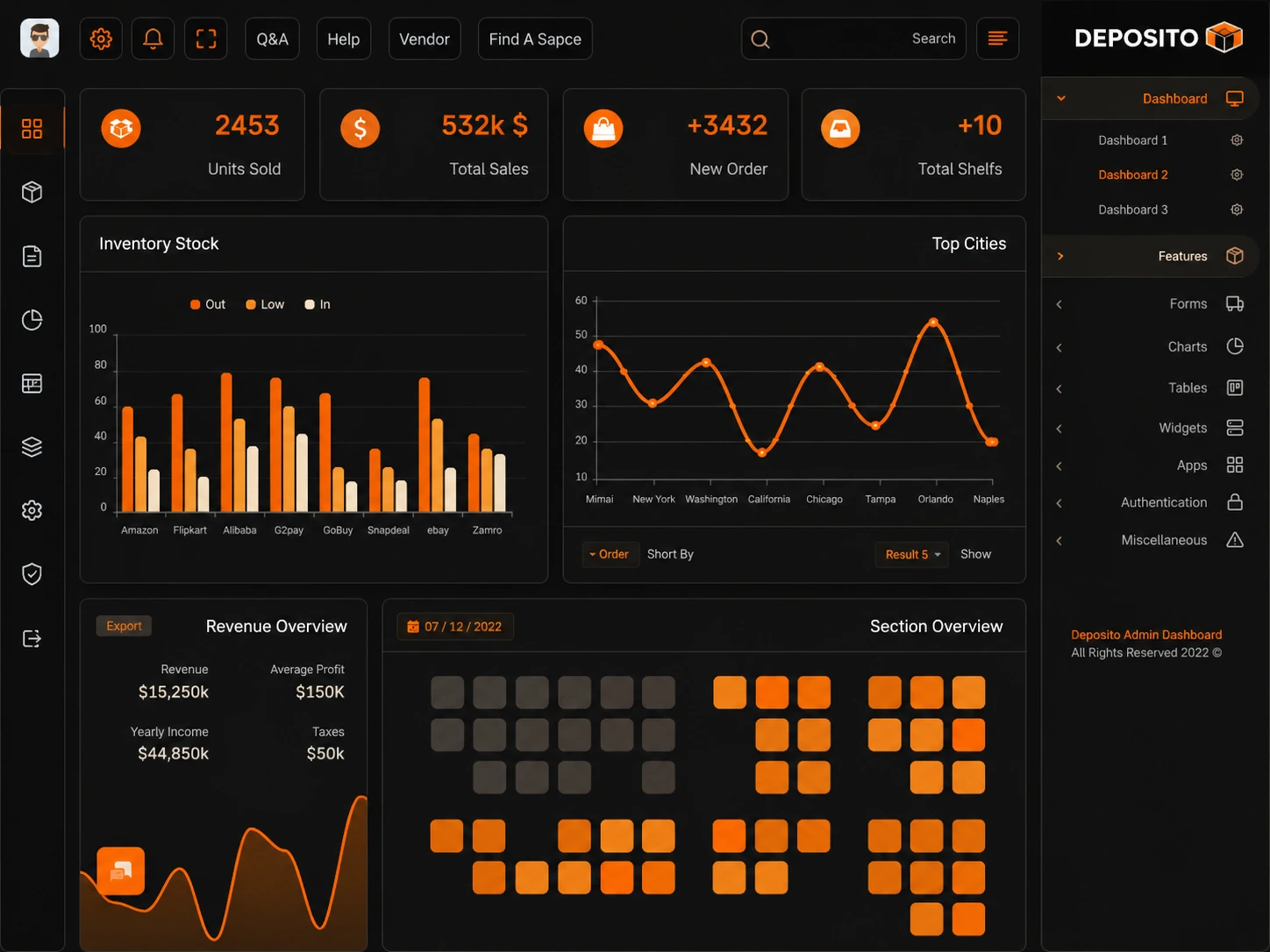
Real Business Example
Imagine a wholesale distribution company managing inventory manually through spreadsheets.
As order volumes increase:
stock mismatches become frequent,
warehouse teams struggle to locate products,
reports become delayed,
and customer deliveries slow down.
After implementing Odoo Inventory:
inventory updates automatically,
warehouse tracking improves,
barcode systems reduce picking errors,
and management gains real-time stock visibility.
This helps the business improve operational efficiency while reducing costly inventory mistakes.
Benefits of Real-Time Inventory Tracking
Improved Stock Accuracy
Automated updates reduce inventory discrepancies and human errors.
Faster Warehouse Operations
Warehouse teams can process orders more efficiently.
Better Purchase Planning
Businesses can monitor stock levels and reorder products at the right time.
Reduced Operational Costs
Automation helps reduce unnecessary inventory expenses..

Why European Businesses Focus on Inventory Automation
European businesses increasingly prioritize:
operational efficiency
supply chain visibility
warehouse automation
inventory accuracy
scalable operations
Industries such as manufacturing, logistics, retail, and wholesale distribution depend heavily on accurate inventory management to remain competitive.
ERP systems like Odoo help businesses centralize inventory operations and improve warehouse efficiency while supporting long-term growth.
Signs Your Business Needs Better Inventory Management
Your business may require inventory management software if you experience:
frequent stock mismatches
delayed deliveries
inventory reporting problems
warehouse confusion
overstocking or stock shortages
slow warehouse operations
difficulty managing multiple warehouses
These issues often indicate that manual inventory management is no longer sustainable.
Conclusion
Poor inventory tracking can create serious operational and financial challenges for growing businesses.
Manual systems, disconnected spreadsheets, and delayed stock updates often lead to inventory errors, higher costs, and reduced customer satisfaction.
Modern ERP solutions like Odoo help businesses automate inventory operations, improve stock visibility, and streamline warehouse management.
Companies that invest in inventory automation are better positioned to improve operational efficiency, reduce losses, and support scalable business growth.
